
HÉHO!
Winnipeg’s Festival Du Voyageur: A Photo Diary
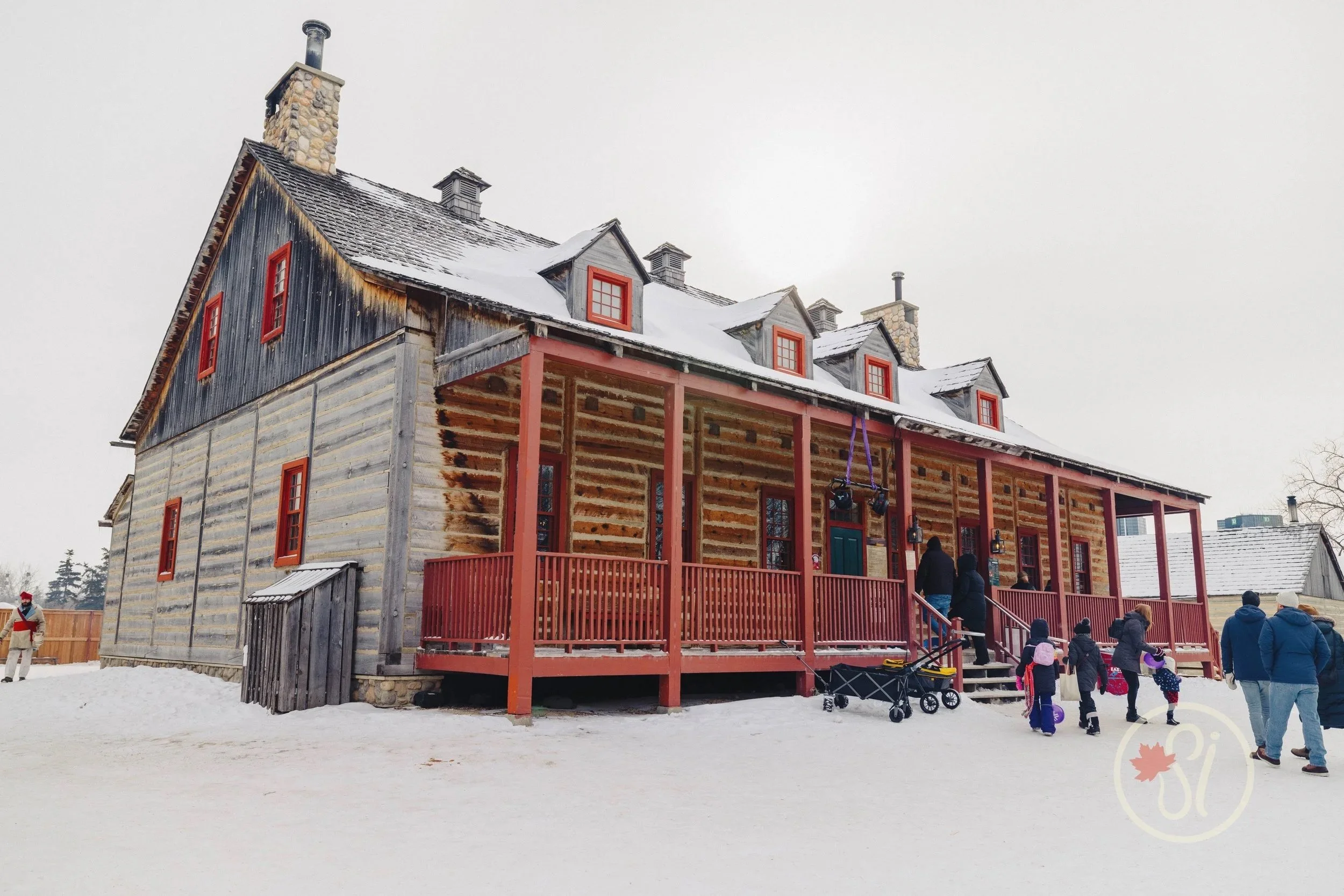
Festival du Voyageur Fort Gibraltar, Winnipeg, Manitoba, 2026. ©ivisonphoto
Hé! Ho! There is no feeling quite like stepping into Whittier Park in mid-February in Manitoba. The air is so cold it practically crackles, and your first breath feels like a thousand tiny needles. But as any seasoned Voyageur visitor will tell you, that brisk -20°C welcome is just the price of admission to Western Canada's largest winter festival.
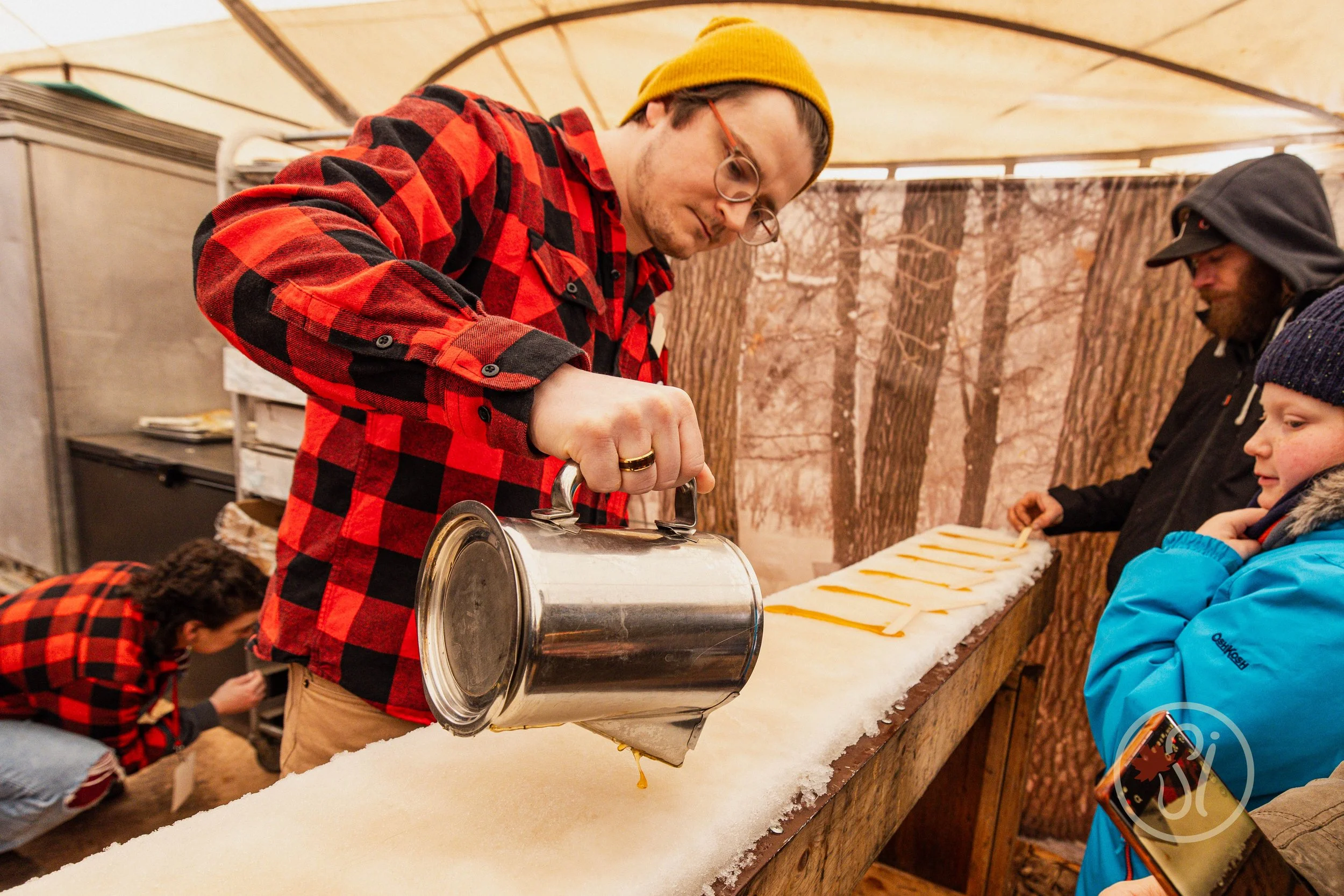
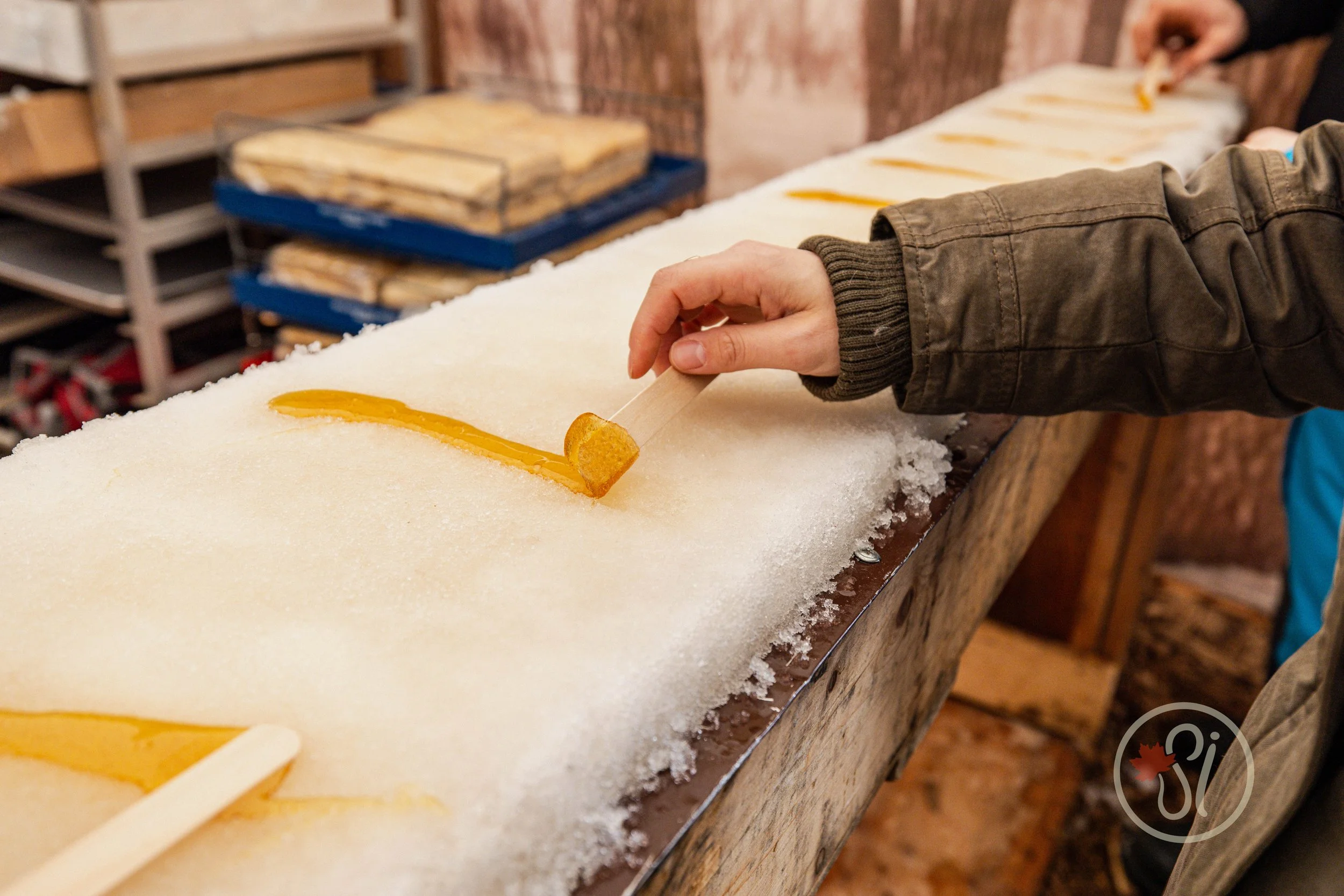
The 57th edition of Festival du Voyageur was a beautiful blur of toques, fiddles, sashes, and my favorite - maple taffy! As promised, the cold was a constant companion. The warming huts and open fires, were definitely utilized. The little pockets of heat became sanctuaries for those making their way across the park. Every wooden shack door was a place to thaw your fingers over a cup of steaming hot chocolate, fresh poutine, Beaver Tails, fresh crêpes, and incredible musical talent. There was something for everyone to enjoy!
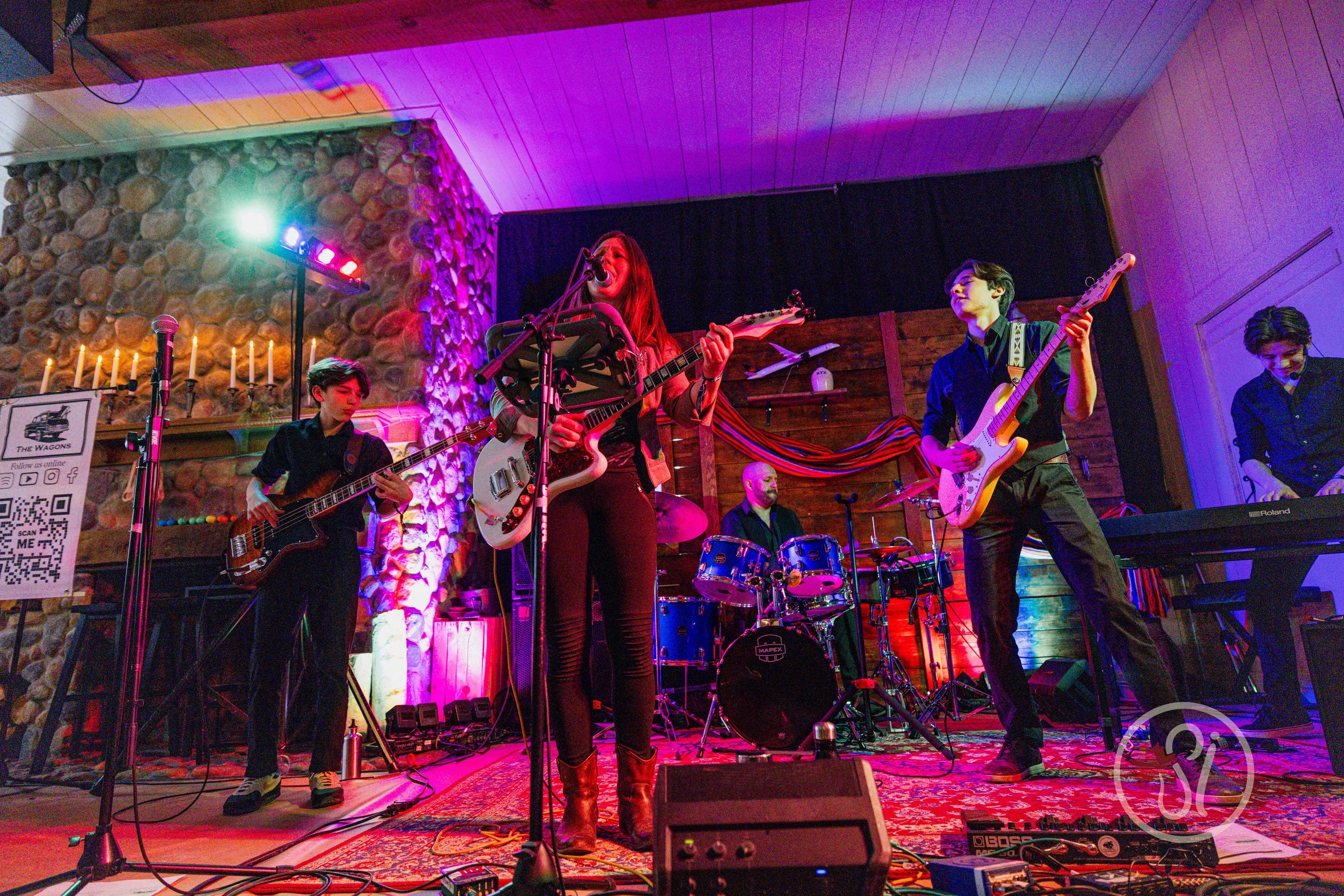
“The Wagons” performing live at Festival Du Voyageur, 2026. ©ivisonphoto
When the cold finally bites too deep, you follow your nose to the food stalls, or over to meet the historical characters of Fort Gibraltar. You haven't lived until you've tried maple taffy on snow. It was a first for me. That moment when the hot syrup hits the cold snow and turns into chewy candy is pure alchemy. It didn’t last long!
Inside the wooden palisades of Fort Gibraltar, artisans in period clothing welcome visitors as if they’ve just been plucked from the present and placed into the past. They don’t simply display their crafts, they demonstrate them. I took my time going from building to building to learn from each artisan. A blacksmith hammers glowing iron on an anvil, sparks flying into the crisp winter air. Nearby, a woodcarver patiently shapes a paddle, explaining how voyageurs relied on sturdy craftsmanship for survival along the waterways. Festival-goers gather close, asking questions and listening to stories about daily life in the 18th and 19th centuries.
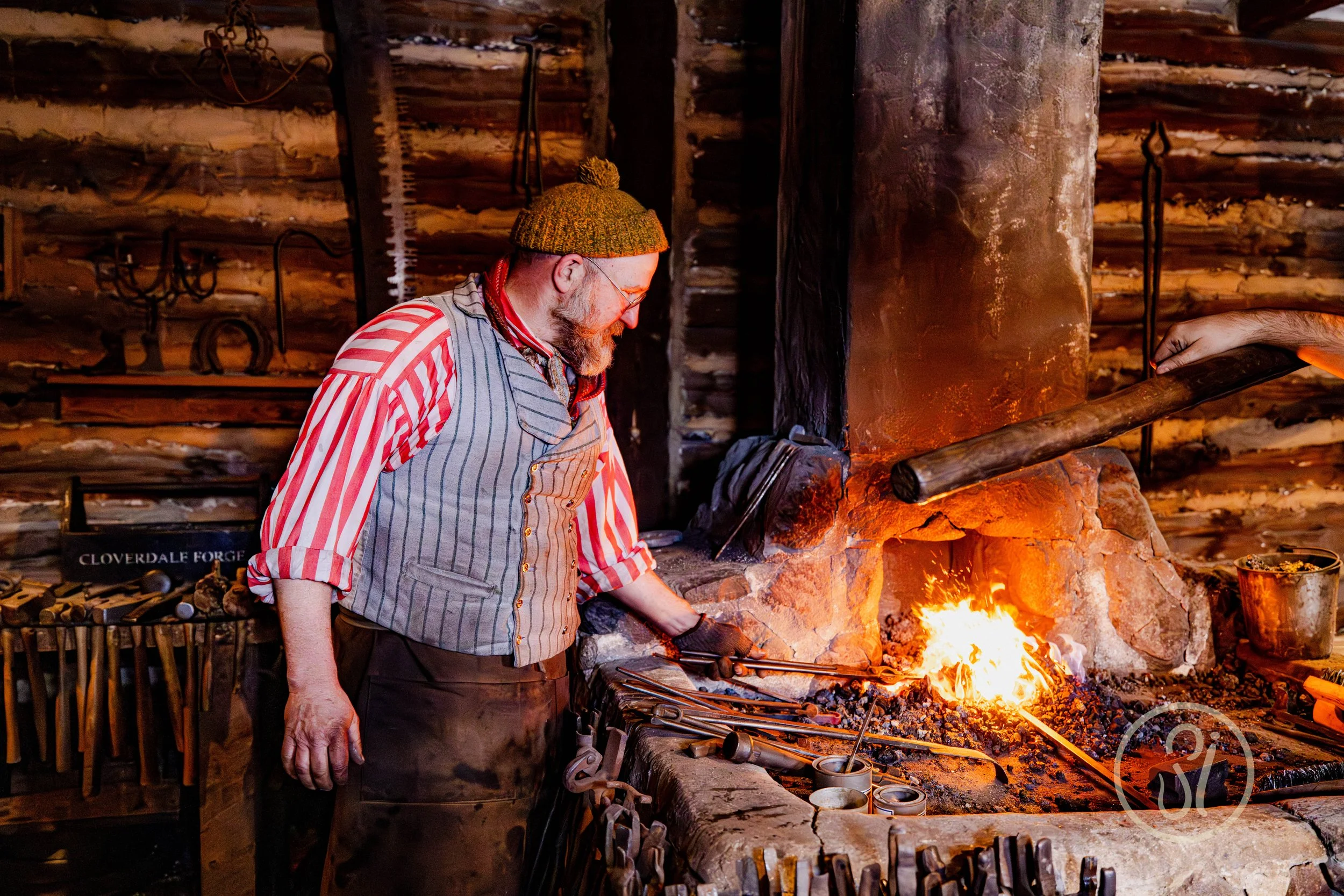
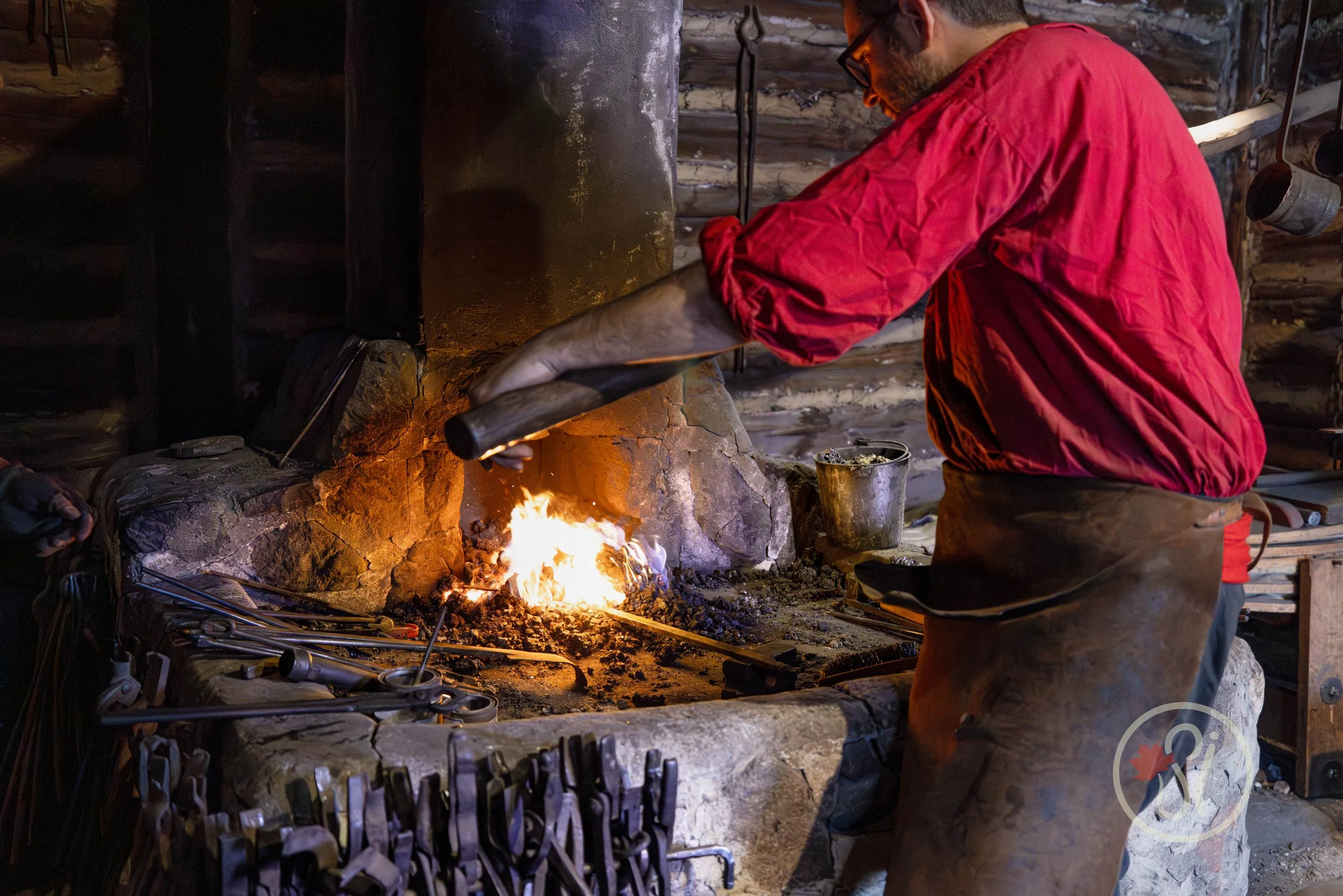
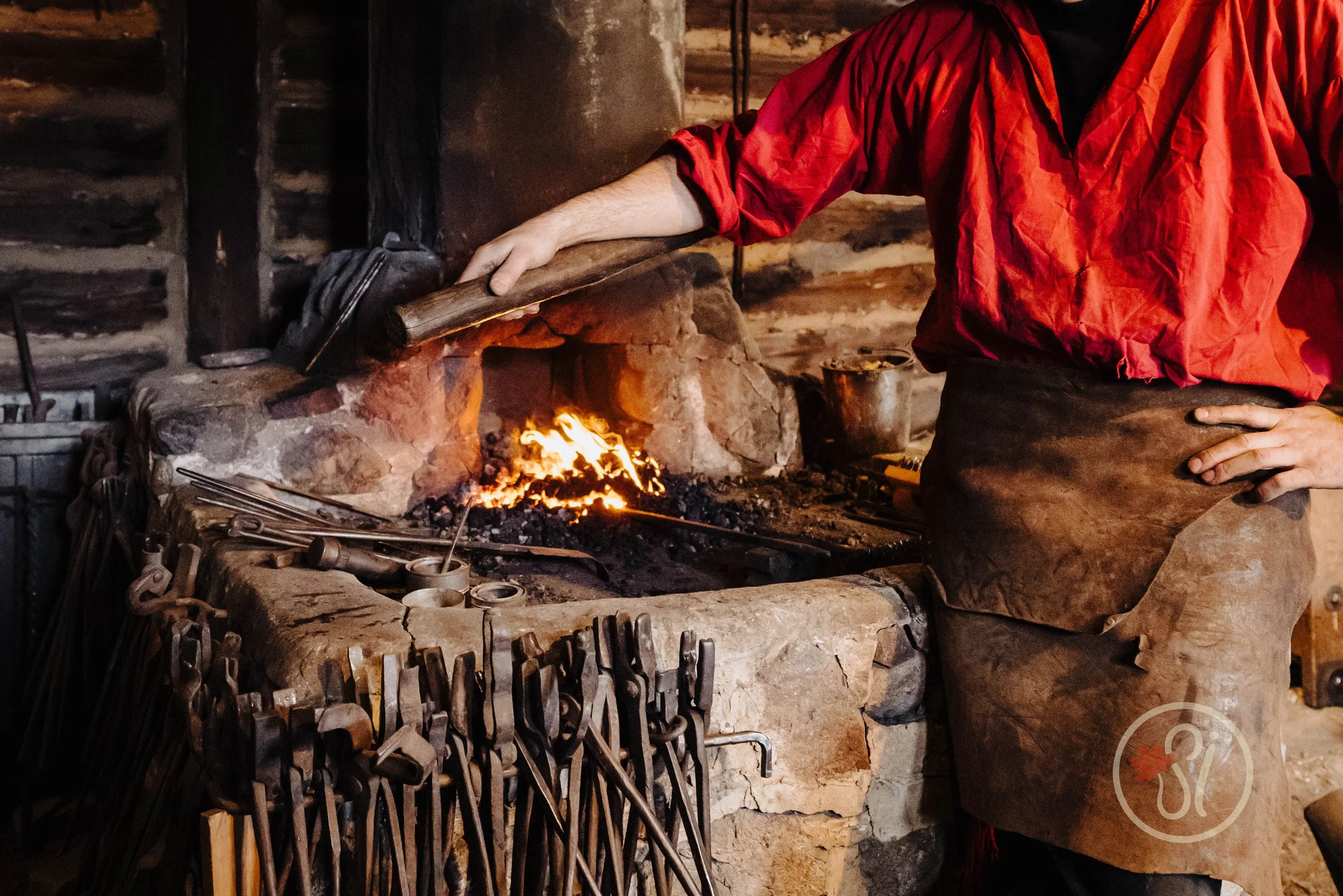
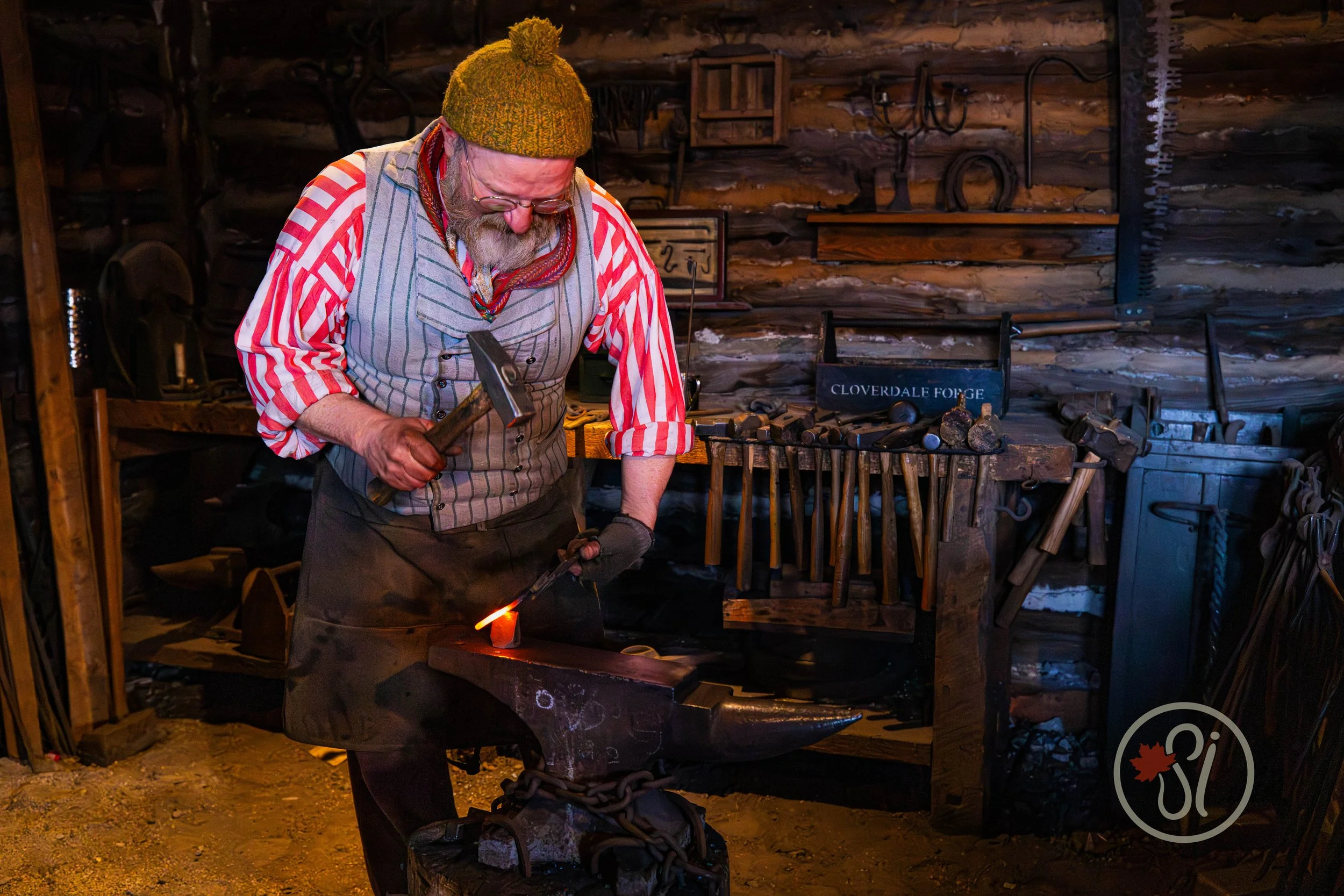
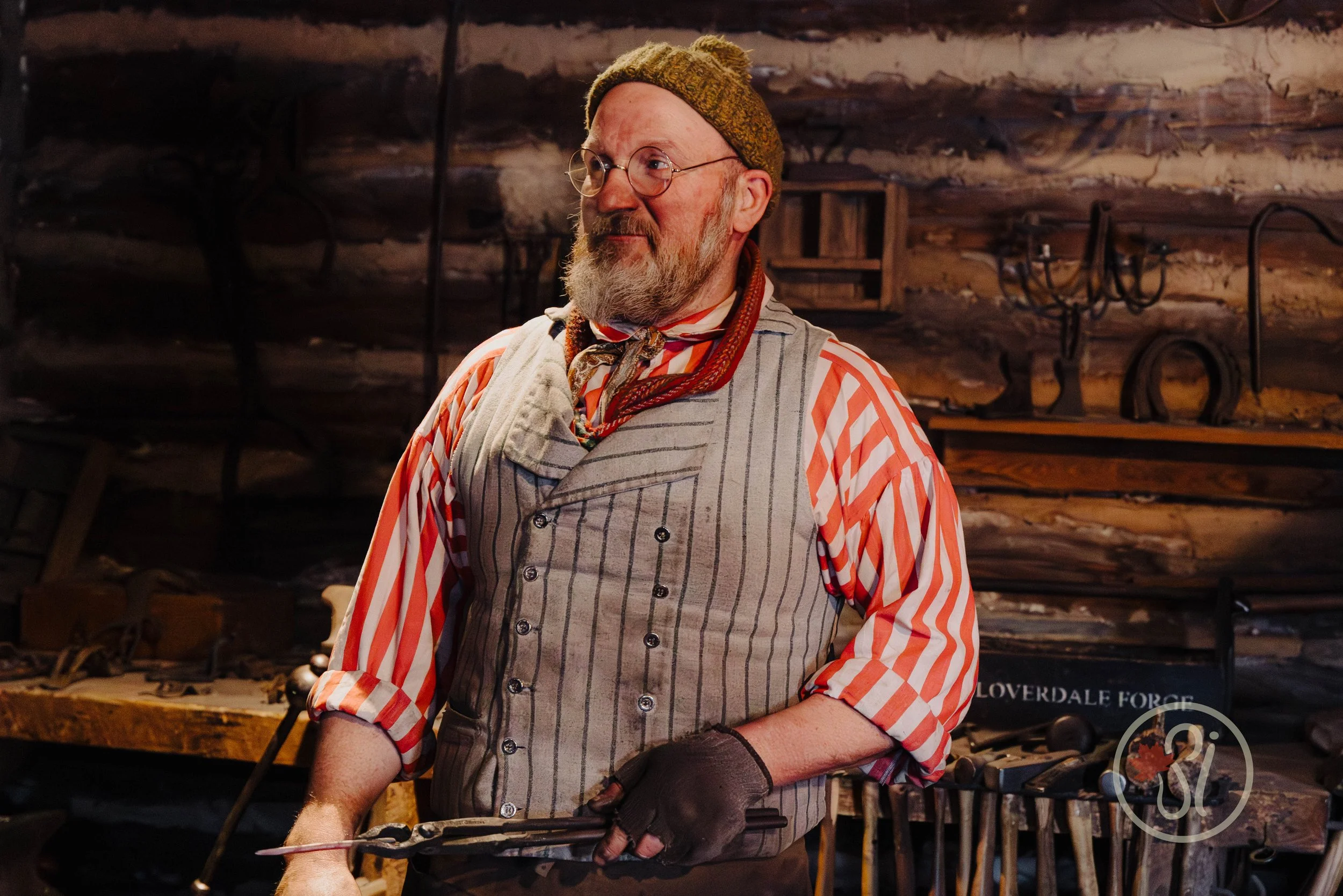
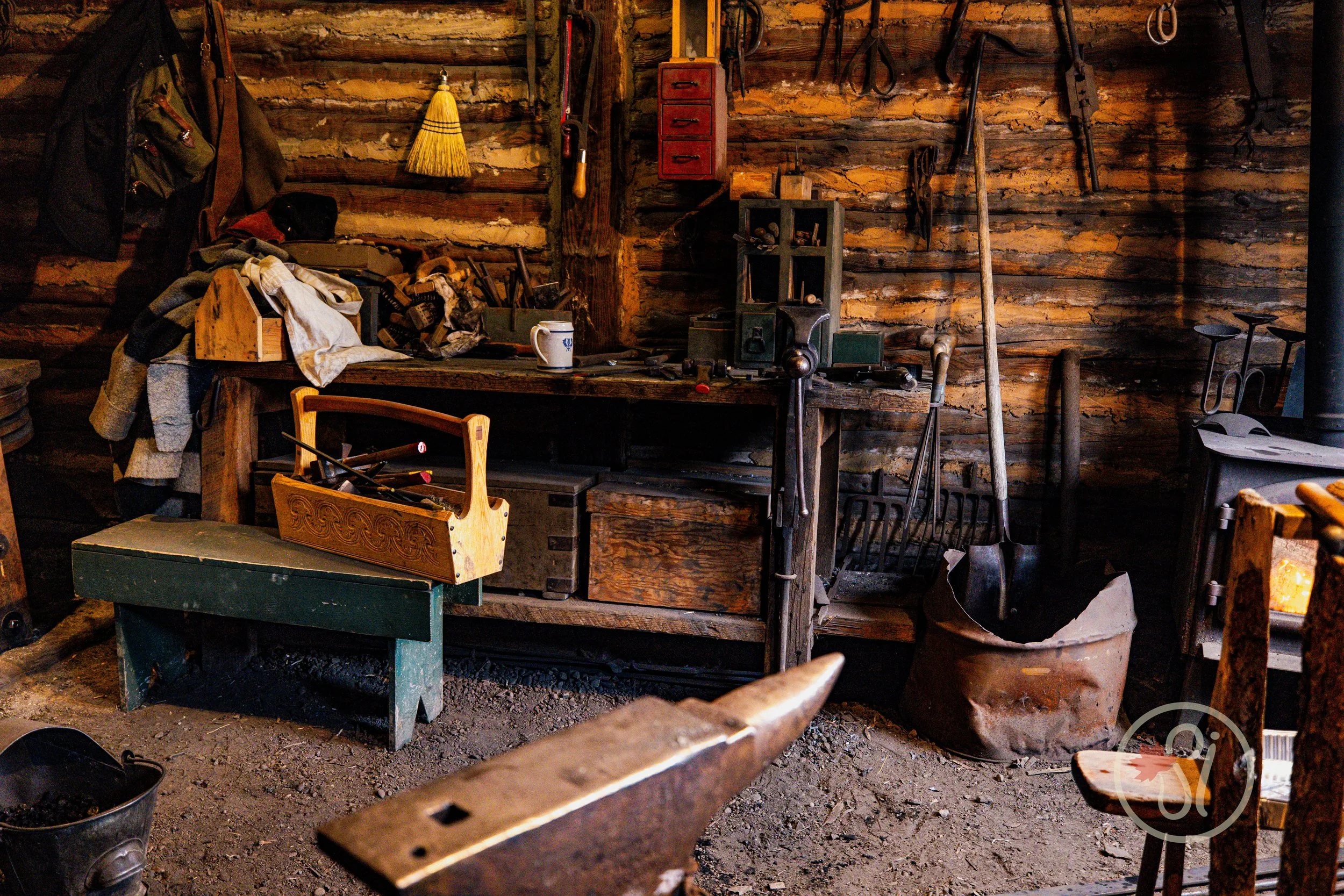
Cooking fires crackle in open hearths, where historical interpreters prepare traditional foods. The rich aroma of pea soup and freshly baked goods drift through the fort. Visitors learn how voyageurs preserved meat, rationed supplies, and traded goods with Indigenous communities. These demonstrations aren’t rushed, they are conversations, with artisans describing not just how things were made, but why they mattered.
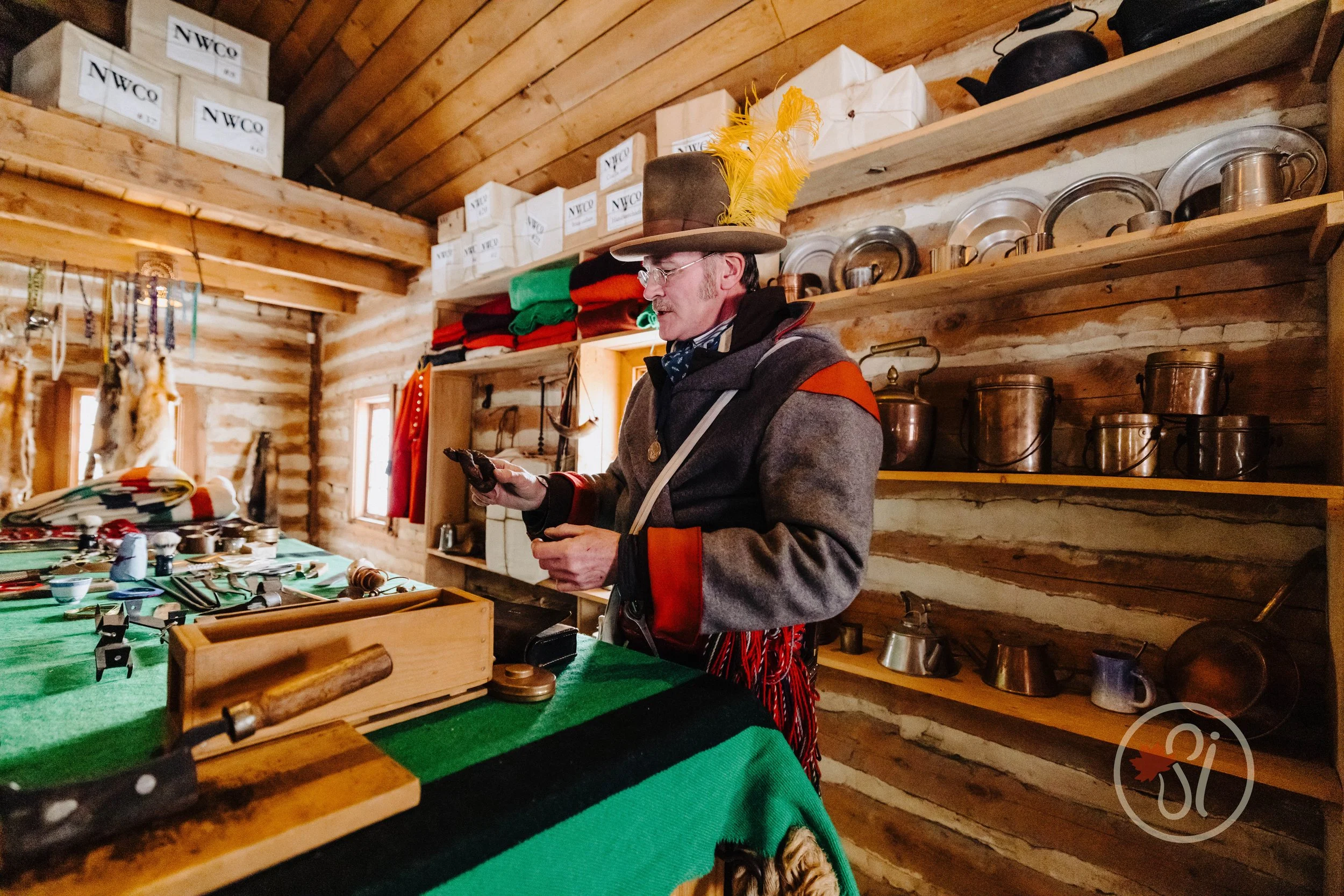
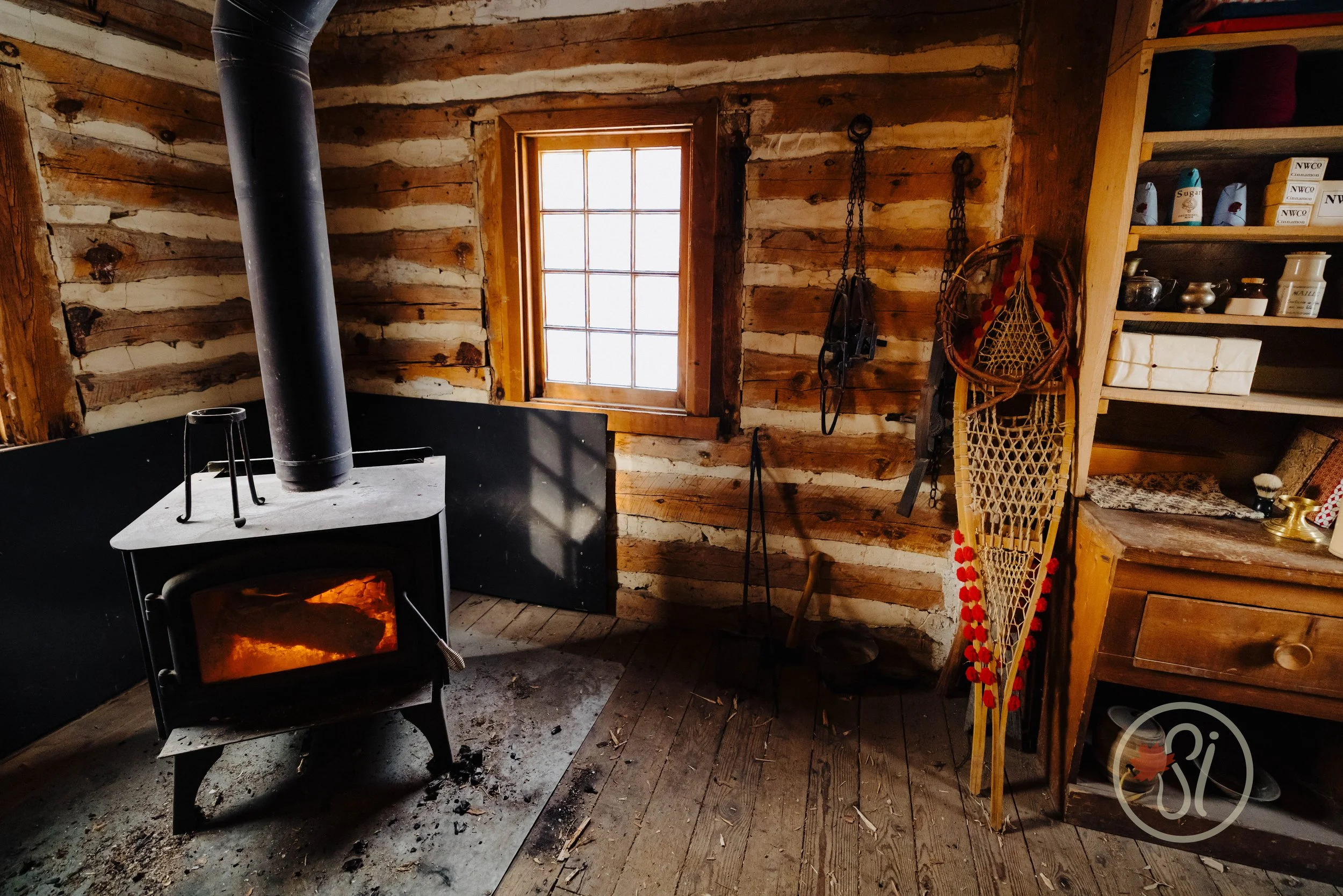
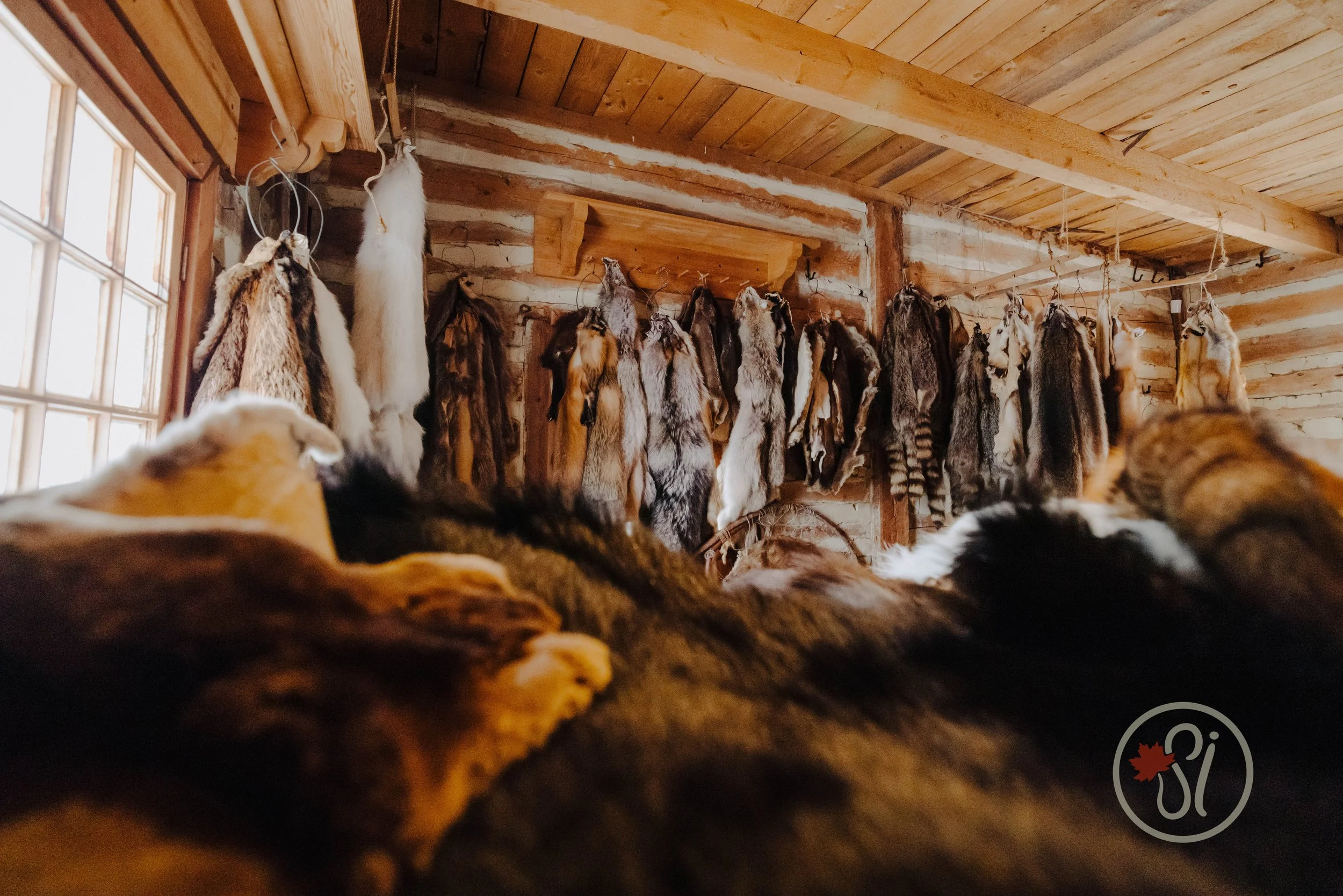
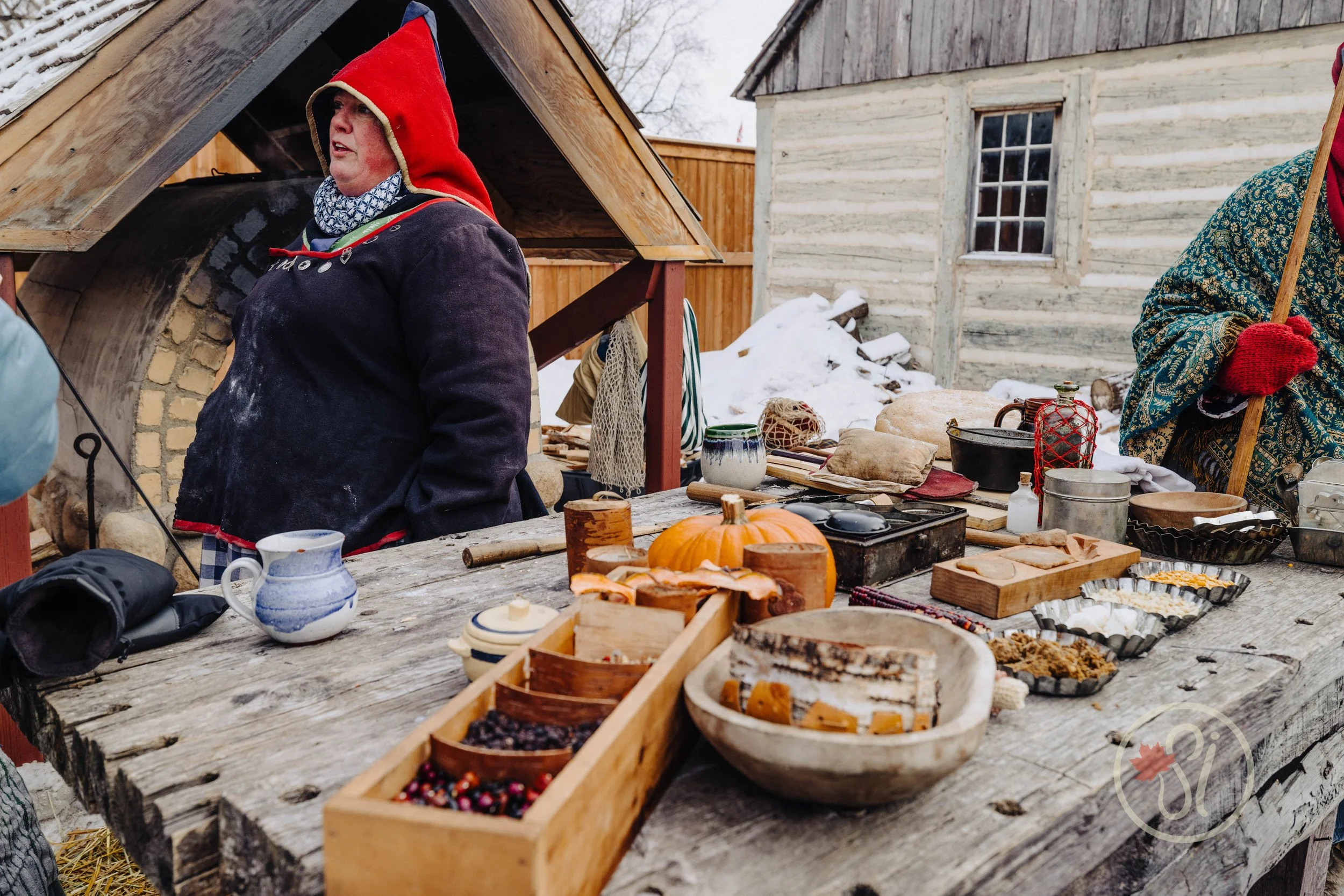
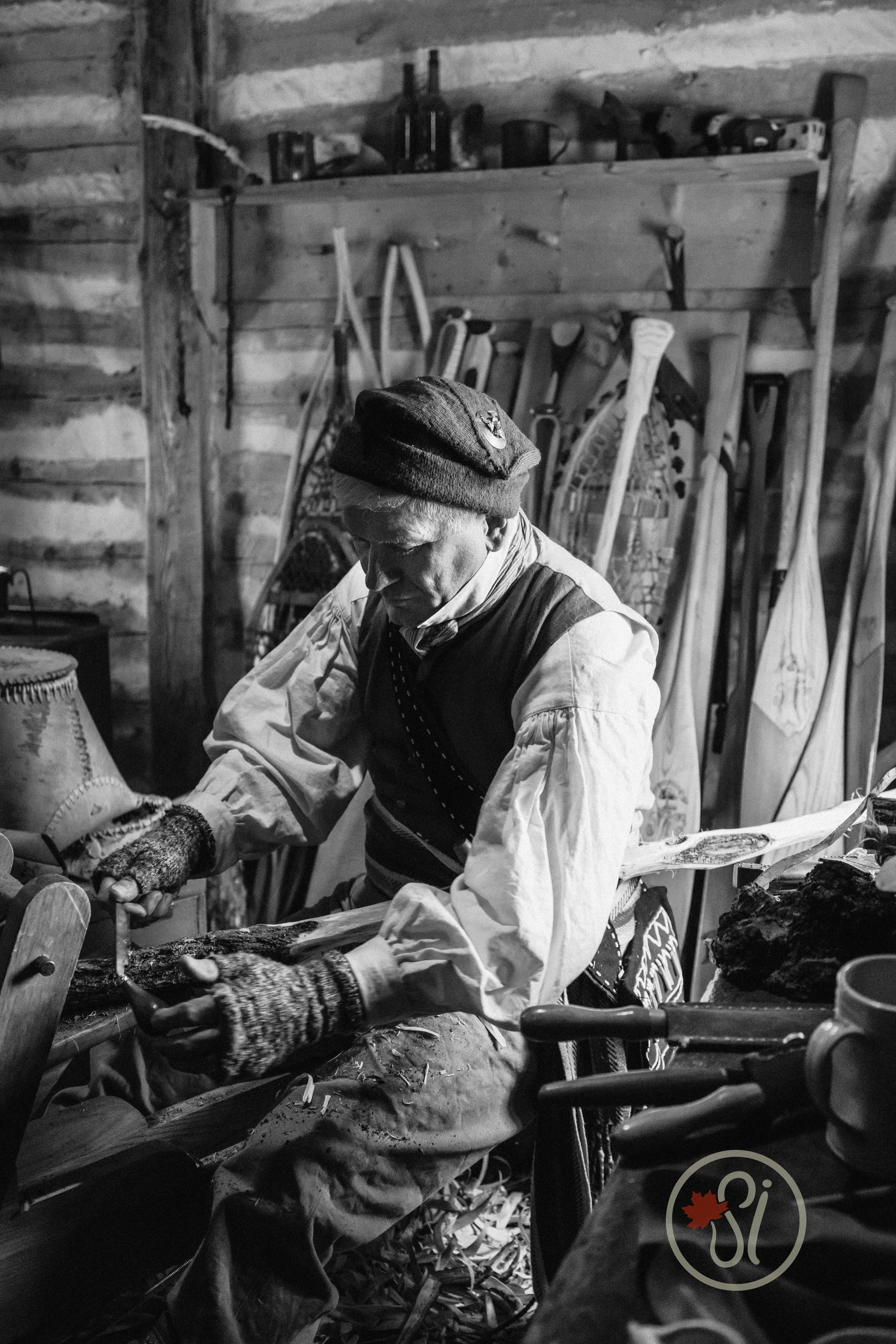
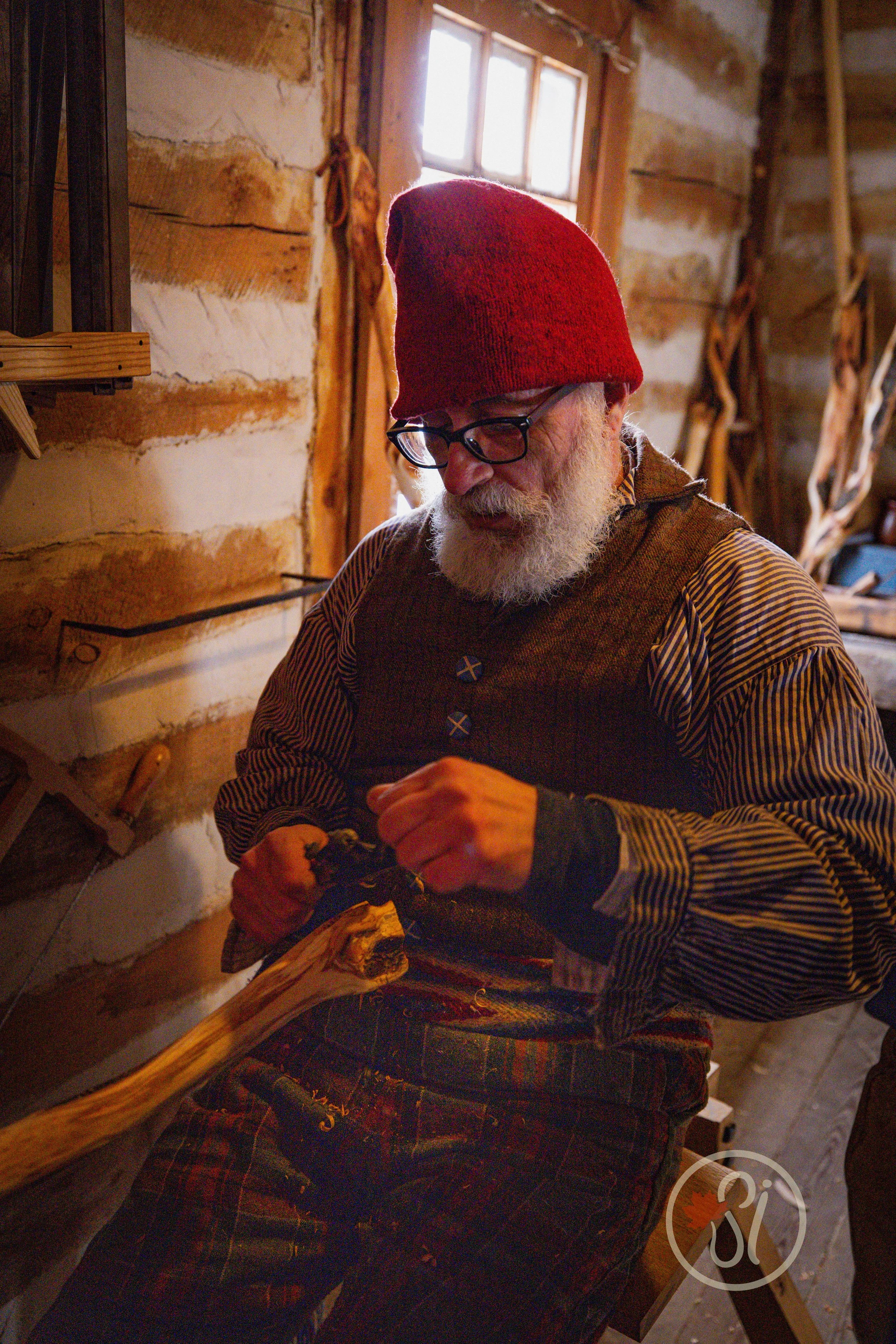
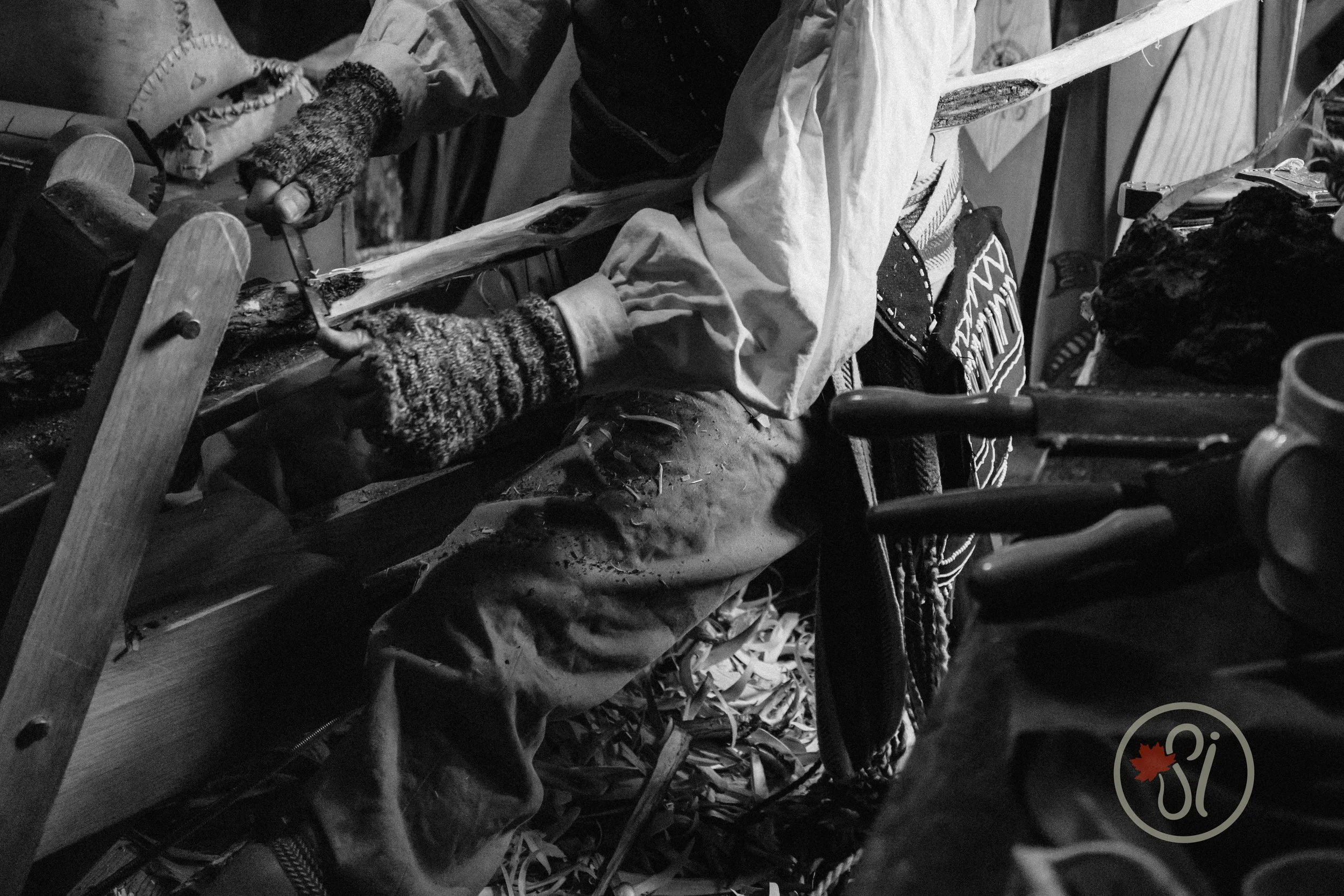
Fort Gibraltar artisans teaching their woodworking craft, 2026. ©ivisonphoto
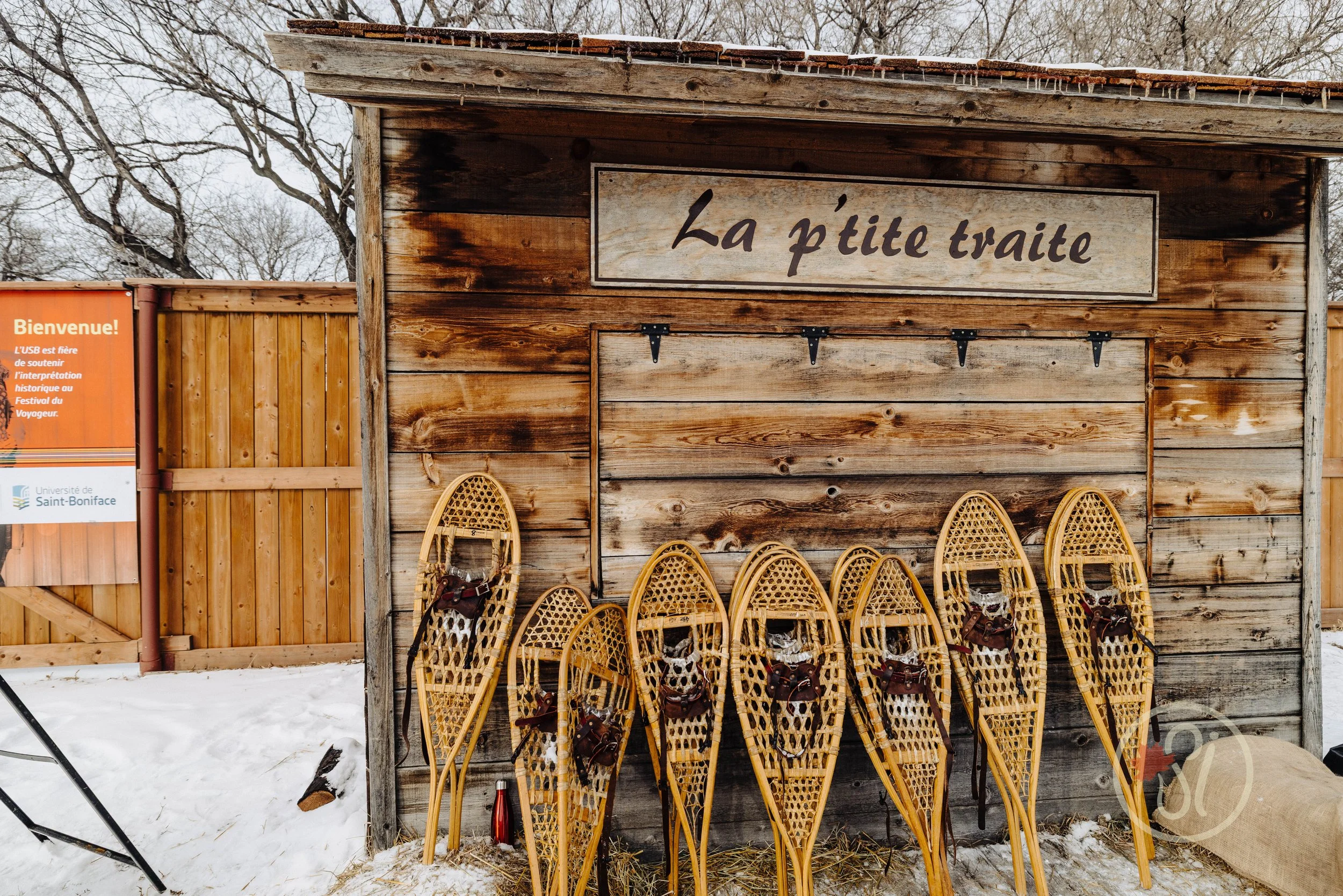
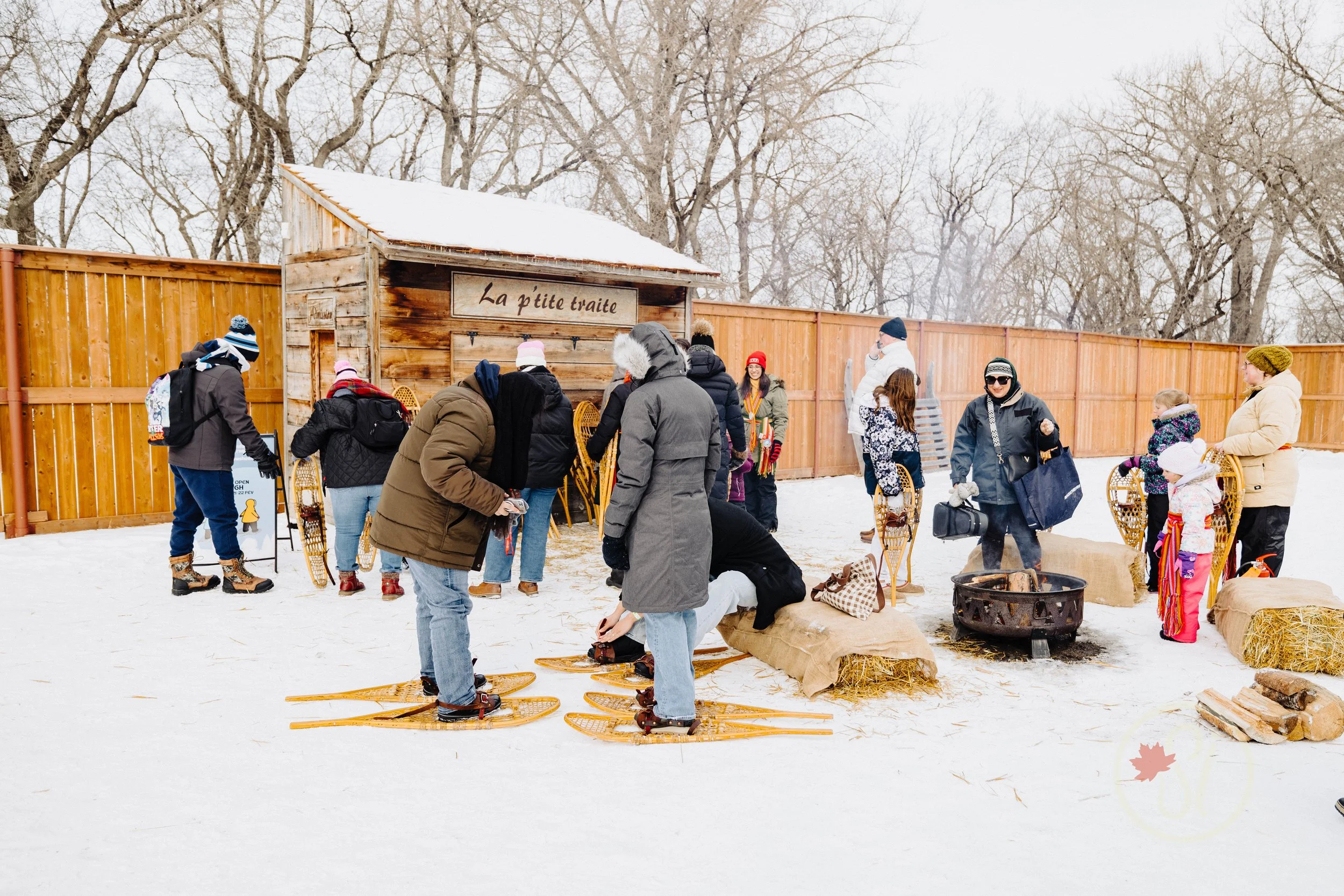
Trading posts bustle with activity. Artisans explain the value of pelts, beads, and hand-forged tools, showing how commerce shaped relationships and survival in the harsh Canadian winter. Children watch wide-eyed as traders weigh furs and tally exchanges, gaining a tangible sense of history that no textbook could quite capture. After touring the Fort, visitors could embark on a snowshoe mission. Another way to experience what Festival has to offer.
Music threads through it all. Fiddlers and folk musicians play lively reels and traditional French-Canadian songs, inviting festival-goers to clap along or even try a step or two of a jig. The youngsters were soaking it all in. I was definitely feeling the energy! The rhythm echoes against the wooden walls, blending with laughter and conversation. It truly feels like a family endeavor, with parents, children, and grandparents all learning, crafting, cooking, and celebrating history together.
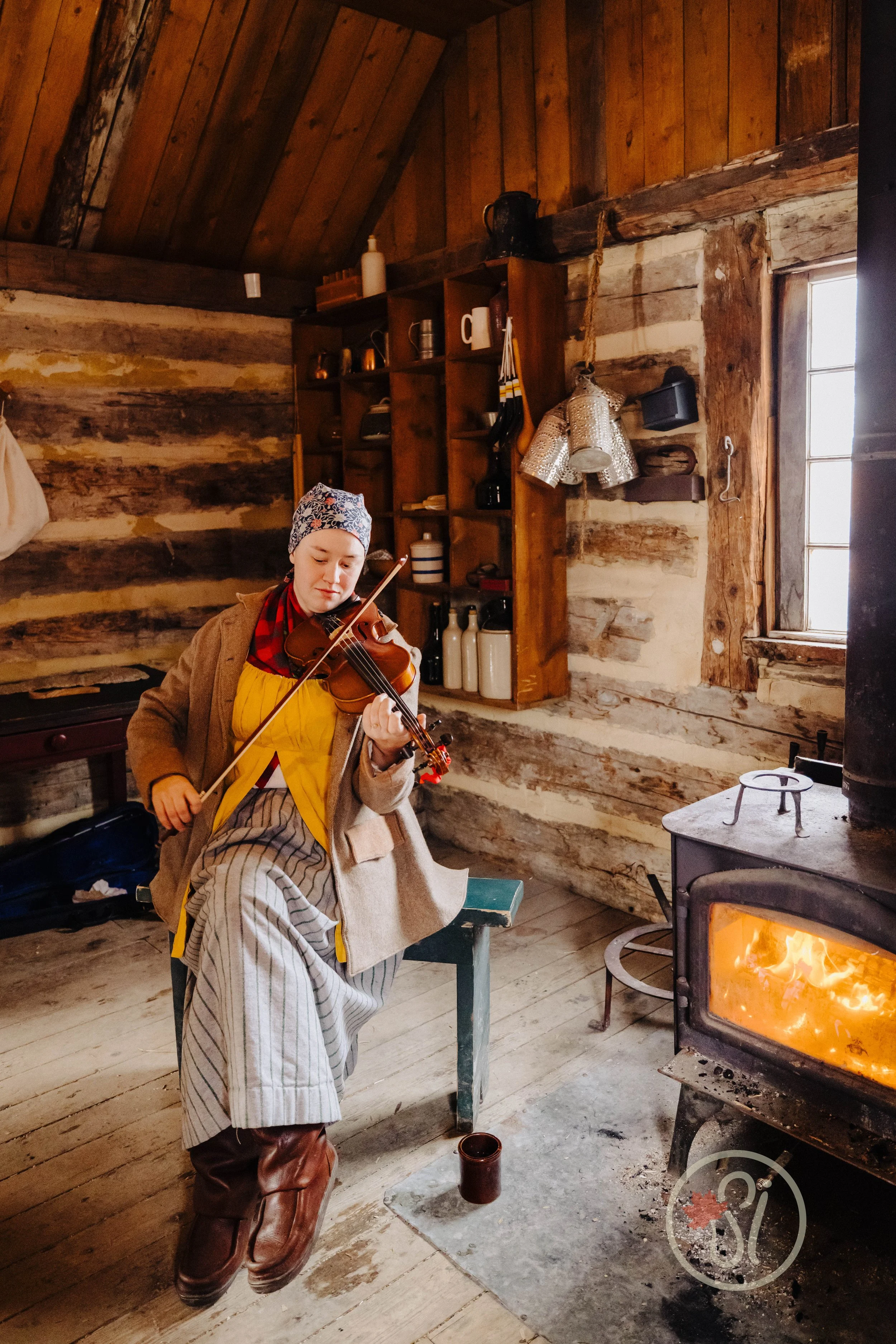
Musician plays for visitors inside of Fort Gibraltar, 2026. ©ivisonphoto
What makes Festival du Voyageur at Fort Gibraltar special is this living exchange. The artisans are not behind glass like at a museum. They are storytellers, teachers, and performers. They cook, trade, carve, sew, forge, and play music not just to entertain, but to share a heritage. All of your senses are involved in the learning. For a few bright, frozen days in Winnipeg, history is not just remembered, it is lived.
Festival du Voyageur is more than just an event, it's a celebration of community that makes you grateful for winter.
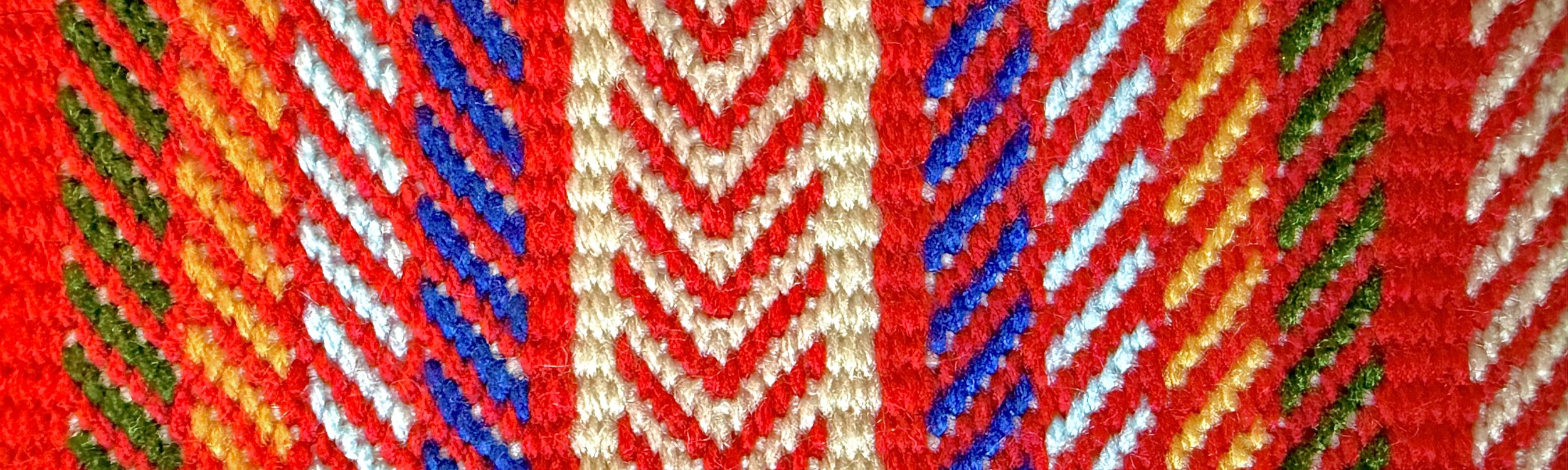
Étchiboy Weaver Sash made with alpaca, 2026. ©ivisonphoto
Until next year. Heho!
All photos are copyrighted and may not be used, reproduced, or distributed without prior written permission by Ivison Photography.